PROJECT SPECIFICATION:
13,500 dedicated luminaires from the LIORA family LIORA
When tasked with illuminating The Hague, the core challenge came down to a single question: how do you create one cohesive lighting system for such a complex, dynamic urban environment? Rather than treating streets, intersections, and parks as isolated points on a map, we set out to unify them into a harmonised whole through light.
The process required a precise balance between strict tender specifications and a vision for public space where people feel comfortable and secure. We sought to eliminate disruptive glare, ensure night-time routes are clear and safe, and bring out an elegant, harmonious character across the city’s architectural landscape.
Since December 2024, we have been bringing this concept to life, step by step, installing thousands of dedicated luminaires from the LIORA family. By 2027, every single fitting will form part of a seamlessly operating ecosystem, engineered for durability and reliable, hassle-free operation for decades to come.
This implementation stands as a textbook example of LUG’s conscious design approach — where modern urban lighting is born at the intersection of engineering, urban planning, and a deep understanding of residents’ daily needs.

To address these requirements, we deployed the LIORA family across several complementary variants:
This enabled us to tailor the luminaires to the specific installation conditions and functional demands of each area, while maintaining a single, cohesive design language across the entire city.
We prepared detailed lighting calculations not only for the baseline project scope, but also for expanded scenarios — thereby mitigating project risk and facilitating informed decision-making for the client.
Furthermore, we provided comprehensive support regarding tender documentation and Factory Acceptance Testing (FAT), streamlining both the deployment phase and the final sign-off process.
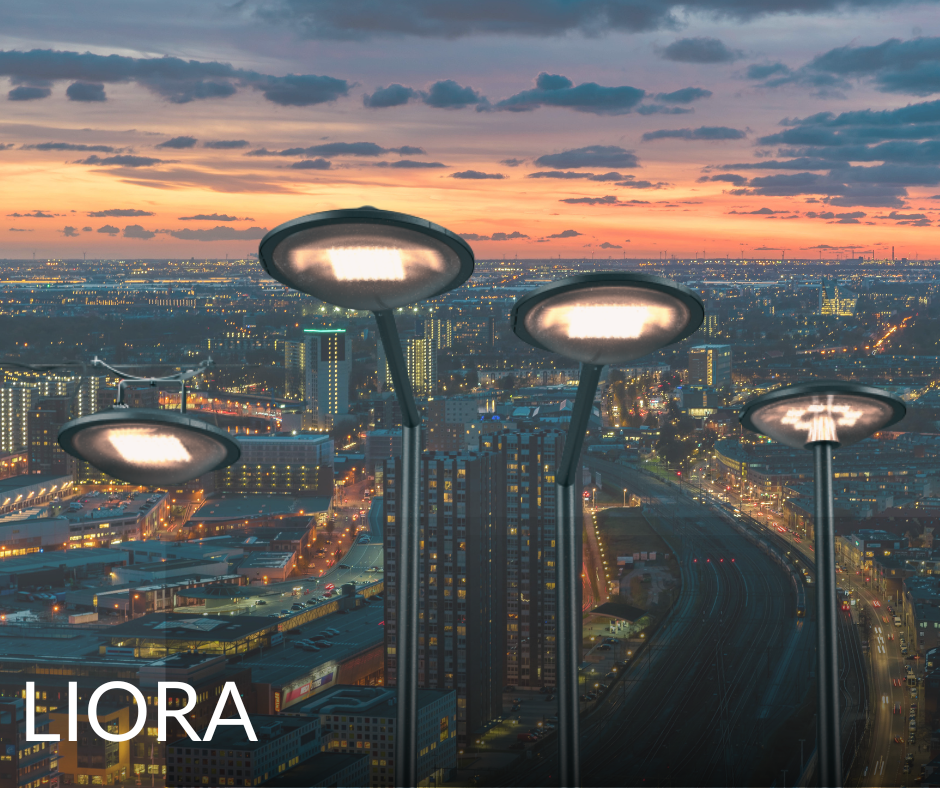
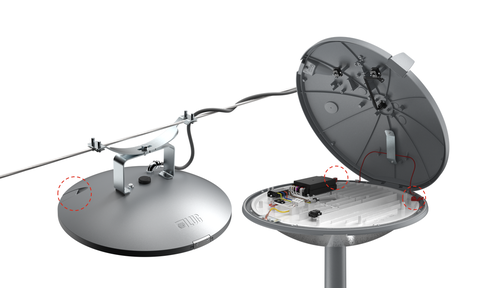
LIORA is an energy-efficient street and urban luminaire drawing inspiration from classical modernism — the pure simplicity of Bauhaus forms and the De Stijl movement.
The design blends timeless urban aesthetics with the concept of sustainability, offering cities a responsible public lighting solution.
 .
.
A holistic public lighting system was established in The Hague, embedded in the paradigm of long-term urban infrastructure development. The project combined design consistency with rigorous luminous efficacy and strict compliance with photometric parameters.
The use of the modular LIORA luminaire family enabled the correlation of a unified formal language with the functional and spatial divergence of individual urban zones.
Key technical and urban outcomes:
The Hague implementation stands as a textbook example of synergy between optical engineering, urban planning, sustainable design, and photometric precision.